Thursday, October 28, 2010

Crop to Cup: Wet processed

There is a lot that happens to a coffee before we get our hands on it. By the time any given bean makes it into the roaster here in Chicago it has already gone through a process of growing and preparation to make sure that what makes it into your hands is of the highest quality. One of these steps is called Processing. After a coffee is harvested from the tree it grows on, it has to be processed so it can be shipped out and used.

There are three major ways this is done
  1. washed or water processed
  2. dry or natural processed
  3. honey, pulped natural, or semi-washed processed
This week we will be exploring what a coffee goes through when it is "washed". I have created this graphic to help you see what goes on with the coffee "bean".


  1. First the coffee is picked off the tree. The fruit you see is ripe. The fruit of an unripe cherry will be green, not red. How this is done is a story for another day.
  2. The main difference between wet and dry processed coffee is how the fruit is removed from the coffee bean, which is the seed inside the fruit. A washed coffee will have had it's fruit removed either by a ferment and wash method or by a machine assisted method.
    -Ferment and Wash removes the fruit by first immersing the cherries in water. This causes the good coffee to sink, while the bad coffee floats. The good coffee is then pushed through a screen which removes a good portion of the outer fruit. The coffee then either sits in water or it's own juices causing the remaining fruit to loosen up over the next 2 or three days. This fruit is then washed off by putting the coffee in water tanks.
    -Machine Assisted is similar to Ferment and Wash but instead of letting the coffee sit for two or three days while the fruit loosens up. Instead the coffee is placed in a mechanical scrubber which scrubs off the remaining fruit. This process is more reliable then Ferment and Wash, however the fermentation process adds flavors to the coffee that many roasters would like to keep intact.
  3. After the fruit is removed the coffee needs to be dried. It is dried by using a machine, or by spreading the coffee out on large patios to dry in the sun (if it is placed on patios the drying is often finished by machine). This brings the coffee down to a moisture content of 10% which makes the bean stable.
  4. The drying process not only makes the bean stable it also drys up a coating on the outside of the bean called parchment. This makes it easy to remove this outer layer. The parchment is generally removed by a machine, this process is called hulling. After the hulling is complete some folks have an additional step called polishing where the bean is rubbed to improve the way the bean looks and to decrease the about of chaff that comes off in the roasting process. However polishing is looked down on by many people since the process heats up the bean which can be detrimental to the overall flavor of the coffee. 
Now the coffee has been processed! It now just needs to be cleaned, sorted and go through grading. Which we will talk about at a later time. Do you know which CA coffees are washed? If you guessed our Guatemalla and our Honduras you're right!


Tuesday, October 19, 2010

Bach and Babies

Did you know that the brilliant piece of music by J.S. Bach, the Coffee Cantata, was composed in an effort to counter a movement in Europe in the early 18th century that was trying to fight against coffee. Opponents of coffee at this time argued that coffee was unhealthy and would render the drinker sterile. If a woman were to drink coffee, people were told, she must forgo bearing children. Yikes!

Well I have living proof that their add campaign was indeed a lie, and a terrible one at that!

Last week my wife went into labor and gave birth to my (Billy Kangas') first child! The labor started around 4AM so the first thing I did was brew up some of our Guatemala and put it in my porcelain to go mug. It helped me get up and to the hospital. By one o'clock I was holding my new born son in my arms!

Our roaster Jonathan says that the Guatemala has all four D's: delicious, delightful, delectable, and decadent. I couldn't agree more, but after dealing with a newborn child for the past week I would like to add one more: de-drowsing.

This week I would like to share with you a bit of Bach's Coffee Contata.
You can read the lyrics in English here, which I recommend since they are actually very entertaining.

Enjoy!

Monday, October 11, 2010

WIN FREE COFFEE from Coffee Ambassadors + NEW COFFEES!

There are a lot of really exciting things happening at CA. 

First of all we have NEW greens! There are two NEW coffee offerings available, both of which are very exciting.

First: Our Guatemala comes from a new farm Finca Villaure, and we couldn't be happier with what's coming out in the cup. This coffee comes from the Huehuetenango region, which is renowned for it's unique fruity taste.

A little bit about Guatemala
Guatemala is located just south of Mexico in Central america and has been growing coffee as one of it's major crops since the 1870's. Guatemalan coffees are known for having plenty of acidity that many describe as "winey". This tends to come out more clearly and with a better body when grown at higher elevations (as is ours).

We have found that this new Guatemala goes very well with the Fazenda Ambiental Fortaleza Brazil. And have unleashed a BRAND NEW espresso blend we are calling the Blue Dragon. Make sure you check it out!

Second, our Honduras
This years Honduras once again comes from the Rancho Ebenezer Farm on the mountain of San Matias. If you haven't read the incredible story of our involvement with this farm check it out

A little bit about Honduras
Located just East of Guatemala, Honduras is a country that has been slowly gaining notoriety in the coffee world. Just ten years ago it was rare that anyone was talking about Honduran coffee.  But in the last decade coffee seems to have gotten better and better. This is certainly true of our partnership with the folks at Rancho Ebenezer. Last year this coffee was my pic for Coffee of the year at CA, and this year it's even better. Make sure you pick up some!

New Blog Writer
Another new feature at CA is ME. My name is Billy Kangas. I have been working with coffee and writing about it for the better part of a decade now. I have recently been brought on staff with CA to keep you all updated on the goings on in the Coffee World in general and at CA in particular. I hope I can start to build a relationship with you all!

FREE COFFEE CONTEST!!!
We will be offering a free bag of coffee to the first person who can answer the following question:

Which of the following is NOT a Coffee growing region in Guatemala
A) The Antigua Valley
B) The Coban region
C) San Marco
D) The Pacamara Provence

We will be giving the prize to the first person to post on twitter with the hash tag #coffeeambassadors or who posts on the facebook group 

Thursday, May 13, 2010

Cup of Excellence

This Sunday I'm headed down to Honduras for a week to serve on the jury for the Cup of Excellence. I'll be sampling and scoring more coffees than I can imagine over the course of the week. I've never done cupping at this level before. It's easy to distinguish between great and poor quality coffees. But, these coffees have already been through two rounds of sampling. So, I feel honored to be one among twelve other professionals determining which coffees are the most elite.

Portland Roasting does a good job of explaining how the CoE serves the farmer well in this brief video:


Attending the CoE is a great step for Coffee Ambassadors. It opens numerous doors for relationships with farmers who are working hard to produce a quality product in hopes of earning a good wage for their coffee.

I'm planning on paying our friends a visit at Rancho Ebenezer while I'm in Honduras as well. My hope is that in the coming years, their coffee will be recognized as one of the most elite in all of Honduras.

Thursday, April 8, 2010

Coffee Ambassadors on the radio!

Coffee Ambassadors will be featured on Prime Time America of WMBI on Friday, 4/9, around 5:20 PM (Central Time). For those in the Chicago area tune in to WMBI (90.1 FM) tomorrow. For those of you outside of Chicago, the program will be aired on stations across the country, find more information here or tune in online.

Set a reminder on your phone or calendar so that you don't miss it!

Wednesday, February 10, 2010

Coffee Giveaway!

Some of you may know from our Feb. Newsletter, but Coffee Ambassadors is currently having a little contest. We are looking for suggestions of a name for our Espresso Blend. Something that communicates our vision of connecting coffee drinkers and coffee farmers, as well as the complex and wonderful world of espresso. Send any suggestions to "info@coffeeambassadors.com". If your name is chosen we will be happy to ship you a sampler pack of (3) 1/2 lb bags of coffee as your prize and thank you. Have a great week everyone!

Tuesday, February 9, 2010

Our Weekend

This weekend we had the opportunity to visit Trinity Lutheran Church in Lisle. Tim was invited to share briefly in each of their four services. It is always an exciting opportunity when we are able to share the vision of Coffee Ambassadors with a new group of people. We will soon be partnering with Trinity Lutheran as their coffee supplier.

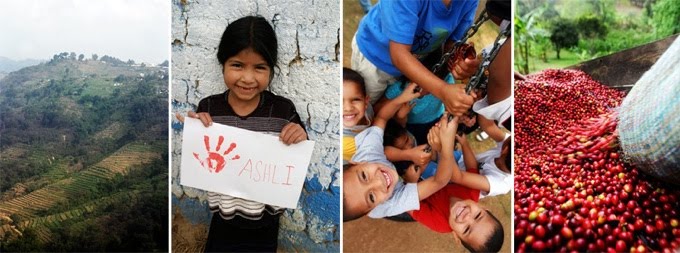
It was exciting for us to learn of a special connection that the folks at Trinity Lutheran have with our growing partners in Honduras. They have gone on several trips to support the same organization we partner with in Honduras. Many of you may not know the story of Rancho Ebenezer or the work that goes on there. The coffee plantation was started to support a home for at-risk children and youth. The coffee we purchase from them directly supports the work they are doing with the children. Between 2008 and 2009, Coffee Ambassadors has taken four origin trips to Rancho Ebenezer for coffee development and education. We have seen great improvement in their crop over the last year and are very proud of the work they have done. We purchase their green coffee and have it flown in from Tegucigalpa to Chicago, where we roast it to order. (Rancho Ebenezer also roasts their coffee in Honduras under the name Cloud Forest Coffee.) If you would like to learn a little more about the children of Rancho Ebenezer, please visit here.

Our Honduras coffee is our lightest roast. It is bright, with a complex body, clean citrus fruit flavor notes, and a graham-cracker finish. It is delicious. Order some here.

If your church, school, or office is looking for a coffee supplier or interested in learning more about the difference our commitment to relationships makes in our sourcing practices, please let us know.